

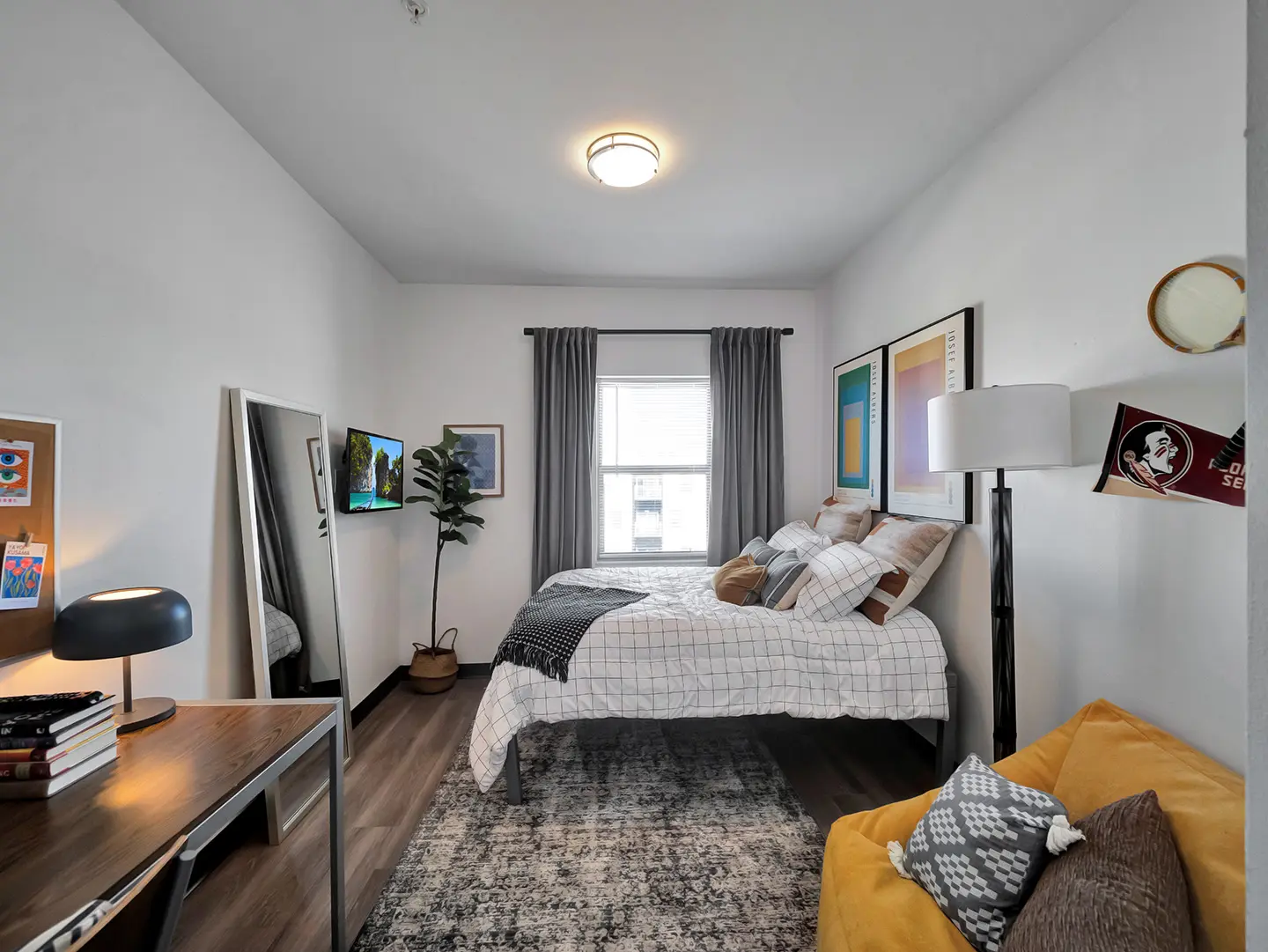
Minimalism is far more than an aesthetic trend involving plain white walls and sparse furniture. It is a deliberate lifestyle philosophy centered on removing physical, mental, and financial clutter to make room for what truly matters. While many people attempt to practice minimalism inside traditional multi-room homes, large spaces naturally invite accumulation. Extra square footage often acts as a visual magnet for unsorted mail, unused exercise equipment, seasonal wardrobe overflow, and redundant decor.
A studio apartment flips this dynamic completely. By collapsing the traditional boundaries of residential design into a single cohesive living space, studio apartments create a structural environment where minimalism is not just an abstract goal, but a practical daily reality. Here is an in-depth look at why studio living represents the ultimate expression of the minimalist lifestyle.
The Spatial Architecture of Intentional Living
The fundamental characteristic of a studio apartment is its open, unbroken layout. Without interior walls separating the living room, bedroom, and home office, every square foot remains in constant sight and active utility. This spatial transparency radically alters how inhabitants interact with their surroundings.
In larger properties, items can easily be hidden away in guest rooms, spare closets, or basements. A studio offers no such luxury of avoidance. If a stack of magazines sits on a table, it remains visible from the front door to the kitchen counter. This forces a psychological shift toward immediate ownership and disposition. Items must earn their right to occupy space through direct utility or deep personal value.
Living in a studio transforms space from passive real estate into active functional zones. A single area may serve as a morning meditation spot, an afternoon workspace, and an evening dining area. This fluidity naturally eliminates single-use items and redundant furniture, encouraging a streamlined lifestyle where every object serves a distinct purpose.
Financial Freedom Through Reduced Footprint
Minimalism seeks to liberate personal resources, particularly time and money, from the demands of consumer maintenance. Studio apartments offer an immediate financial structural advantage that accelerates personal financial independence.
-
Lower Monthly Base Housing Costs: Rent or mortgage payments for studio units are substantially lower than one-bedroom or two-bedroom alternatives in identical neighborhood locations.
-
Minimized Utility Expenses: Heating, cooling, and illuminating a single room requires a fraction of the energy consumed by multi-room homes, resulting in consistently low monthly power bills.
-
Reduced Furnishing Outlays: Outfitting a studio requires significantly fewer furniture pieces, eliminating the pressure to purchase extra sofas, end tables, rug layers, or wall art simply to fill empty rooms.
-
Lower Insurance and Tax Burdens: Renter insurance premiums and property assessments scale directly with square footage and personal asset valuations, keeping administrative costs minimal.
The capital saved on living expenses directly increases personal financial agility. Studio dwellers frequently reallocate these savings toward debt paydown, retirement investing, travel, or career transitions, trading physical floor space for genuine life flexibility.
Forced Curation and the Elimination of Clutter
Clutter rarely accumulates overnight. It builds slowly through micro-decisions to keep items that might be useful someday. Studio apartments act as a physical barrier against this gradual accumulation through rigid spatial constraints.
When storage space is limited to a primary closet and select cabinetry, buying decisions undergo rigorous scrutiny. Before bringing a new object across the threshold, a studio minimalist must answer a straightforward practical question: What existing item will this replace, and where will it live?
This compulsory curation encourages a high standard for personal belongings. Instead of owning ten mediocre kitchen knives, a studio resident invests in one high-quality chef knife. Instead of maintaining four cheap coats, they keep one versatile outerwear piece that handles multiple seasons. The result is a curated inventory of high-utility, higher-quality items that bring daily satisfaction rather than organizational stress.
Streamlined Maintenance and the Gift of Time
Housework is an inescapable reality of daily life, but the volume of labor required is directly proportional to the size of the home. Large living environments demand continuous maintenance, including vacuuming multiple rooms, dusting extensive surfaces, cleaning multiple bathrooms, and organizing peripheral storage zones.
A studio apartment compresses household upkeep into manageable time frames. Deep cleaning an entire studio rarely takes more than an hour. Daily reset routines, such as making the bed, wiping down counters, and sweeping floors, take under ten minutes.
This dramatic reduction in maintenance obligations yields significant time returns every single week. Minimalists prioritize experience and presence over asset management, and studio living frees up hours that would otherwise be spent maintaining, organizing, and cleaning larger physical structures.
Energy Efficiency and Lower Environmental Impact
For those who view minimalism through the lens of ecological responsibility, studio apartments offer an exceptionally low environmental footprint. Residential structures account for a major share of national energy consumption, driven largely by heating and cooling unoccupied spaces.
By consolidating living activities into a compact envelope, studio apartments optimize thermal and electrical efficiency. Modern studios located in high-density urban developments benefit from shared thermal boundaries with adjacent units, reducing heat loss in winter and heat gain in summer. Furthermore, the limited physical space inherently caps personal consumption levels, curbing the lifecycle carbon emissions associated with manufacturing, shipping, and disposing of unnecessary consumer goods.
Designing a Multifunctional Studio Space
Living comfortably in a studio apartment requires thoughtful spatial design. Achieving an uncluttered, high-function environment involves specific layout principles designed to maximize utility without creating visual chaos.
-
Invest in Dual-Purpose Furniture: Look for items that serve primary and secondary functions seamlessly, such as storage ottomans, bed frames with built-in drawers, or drop-leaf dining tables that double as desks.
-
Utilize Vertical Real Estate: When floor area is constrained, wall-mounted shelving, tall bookcases, and hanging tracks shift storage upward, keeping walkways clear and preserving visual openness.
-
Establish Visual Zoning: Define functional areas using subtle visual cues such as area rugs, low-profile room dividers, or strategic lighting placements rather than bulky physical barriers.
-
Maintain Strict Cable Management: Exposed cords and electronic wires create visual clutter very quickly in open layouts. Conceal power strips inside dedicated boxes and run cables along baseboards.
-
Adopt a One-In, One-Out Policy: Ensure that the entrance of any new physical item into the apartment is paired with the donation or disposal of an equivalent existing item.
Frequently Asked Questions
How can someone manage remote work effectively in a studio apartment without feeling stuck in the office?
Set up a dedicated work zone using a folding wall desk or a small laptop table that can be packed away or covered at the end of the workday. Utilizing distinct lighting, such as a focused desk lamp during work hours and ambient floor lamps during off-hours, creates clear psychological boundaries between professional tasks and personal relaxation.
What are the best strategies for cooking and managing kitchen odors in an open studio layout?
Invest in a high-quality portable air purifier equipped with an active carbon filter and place it near the kitchen zone. Use exhaust fans religiously while cooking, keep frying pan splatter guards on hand, and clean stove surfaces immediately after meal preparation to prevent grease and food aromas from setting into textiles.
How do studio residents handle overnight guests or personal privacy?
Utilize flexible screening solutions such as ceiling-mounted track curtains, lightweight sliding panels, or folding bamboo screens around the sleeping area. A high-quality sleeper sofa or a daybed with a trundle mattress provides comfortable guest accommodation without requiring a dedicated spare room.
How do pets adapt to living in a studio apartment?
Pets thrive in studio apartments provided their physical enrichment and exercise needs are met outside the home. Cats adapt well to vertical space like wall perches and tall scratch posts, while dogs require consistent daily outdoor walks and structured visits to local parks to burn off energy.
What should renters look for regarding acoustic insulation when touring studio apartments?
Look for buildings constructed with concrete subfloors and double-pane windows, and check if wall shared areas are backed by utility chases or corridors. Adding thick area rugs with dense acoustic underlayment and heavy drapery inside the unit will further absorb internal reverberation and block external corridor noise.
Is living in a studio apartment sustainable for couples long-term?
Studio living can work well for couples who share aligned daily schedules, high emotional intelligence, and matching minimalist values. Success depends on clear communication, establishing independent routines outside the home, and respecting shared organizational systems to maintain an orderly environment.
Comments are closed.