

Selecting the right flooring for your home is one of the most critical decisions you will make during a build, renovation, or remodel. Beyond serving as a surface you walk on daily, flooring sets the foundation for your interior design, affects acoustic levels, dictates cleaning routines, and directly impacts your property value. Because replacing floor materials requires significant effort and financial investment, choosing a option that balances aesthetic preference with structural durability is essential.
Every room in a home experiences different environmental conditions, foot traffic, and wear patterns. A material that performs exceptionally well in a master bedroom may fail quickly in a high-moisture environment like a bathroom or basement. Navigating the wide variety of modern flooring materials requires understanding how each option handles moisture, traffic, maintenance, and installation requirements.
Key Factors to Consider Before Selecting Flooring
Household Lifestyle and Foot Traffic
Your daily routine and household structure should heavily influence your choice of floor material. Homes with children, active pets, or high entry-point traffic require durable surfaces that resist scratches, gouges, and staining. Heavy foot traffic wears down softer surfaces quickly, requiring frequent repairs or early replacement. Conversely, households with low activity levels can prioritize luxury, warmth, and softness over extreme durability.
Moisture and Climate Exposure
Moisture exposure remains the primary cause of residential flooring failures. Basements, bathrooms, mudrooms, and kitchens frequently encounter ambient humidity, liquid spills, or standing water. Materials like solid hardwood and traditional laminate expand, warp, or cup when exposed to excessive moisture over long periods. Waterproof materials such as porcelain tile, sheet vinyl, and luxury vinyl plank handle moisture exposure without structural degradation.
Maintenance Requirements and Longevity
Every flooring surface demands a specific level of maintenance to retain its appearance and longevity. Natural stone requires periodic sealing, solid hardwood needs eventual sanding and refinishing, and carpets demand frequent deep vacuuming and professional steam cleaning. Assessing the amount of time and effort you are willing to dedicate to floor maintenance ensures you choose a material that fits your routine without becoming a hassle.
Budget and Installation Costs
The true cost of flooring includes both the material price per square foot and the installation labor costs. Certain materials, such as intricate tile patterns or custom finished hardwood, carry high installation labor costs due to specialized tool requirements and long labor hours. Pre-attached underlayment products or click-lock vinyl planks drastically cut installation time and labor expenses, making them suitable choices for budget-conscious homeowners.
Popular Household Flooring Options Analyzed
Hardwood Flooring
Hardwood flooring remains the classic benchmark for residential elegance and long-term home value. Available in solid and engineered configurations, hardwood brings warm natural tones, unique grain patterns, and timeless architectural appeal to living spaces. Solid hardwood consists of single timber planks, whereas engineered hardwood features a genuine hardwood top veneer layered over a high-density plywood core for enhanced dimensional stability.
-
Best Suited For: Living rooms, dining rooms, hallways, and master bedrooms.
-
Durability: High durability; solid hardwood can be sanded and refinished multiple times across decades.
-
Moisture Resistance: Low to moderate; vulnerable to warping in high-humidity areas.
-
Maintenance: Requires regular dusting, prompt spill cleanup, and wood-safe cleaners.
Luxury Vinyl Plank and Tile
Luxury vinyl plank and luxury vinyl tile have transformed residential design through impressive durability and hyper-realistic surface textures. Synthetic manufacturing enables luxury vinyl to mirror the grain patterns of natural wood or the veining of marble while remaining entirely waterproof. The rigid core construction provides strong resistance against pet nails, dropped items, and heavy furniture pressure.
-
Best Suited For: Basements, kitchens, bathrooms, mudrooms, and high-traffic family rooms.
-
Durability: Exceptional resistance to scratches, scuffs, stains, and impacts.
-
Moisture Resistance: One hundred percent waterproof when properly installed.
-
Maintenance: Simple maintenance requiring sweeping and damp mopping with neutral cleaners.
Porcelain and Ceramic Tile
Porcelain and ceramic tiles offer long-term durability and design versatility. Kiln-fired from dense clay, porcelain tiles resist moisture, bacteria, and fire better than almost any alternative surface. Tile allows for endless layout possibilities, including herringbone patterns, mosaic features, and wide-format slabs that create seamless, modern aesthetics.
-
Best Suited For: Bathrooms, entryways, kitchens, laundry rooms, and outdoor patios.
-
Durability: Extreme hardness; highly resistant to scratches and heavy traffic.
-
Moisture Resistance: Complete moisture resistance with water absorption rates below half a percent for porcelain.
-
Maintenance: Easy leaf cleaning, though grout lines require periodic sealing and scrub maintenance.
Laminate Flooring
Modern laminate flooring uses high-resolution photographic layers bonded over high-density fiberboard to mimic natural materials at an affordable price point. Advanced wear layers protect the image pattern from sun fading, scratches, and everyday scuffs. Many modern laminates feature improved water-resistant core treatments, making them far sturdier than early iterations.
-
Best Suited For: Bedrooms, home offices, hallways, and living areas on upper levels.
-
Durability: High scratch resistance, making it suitable for active pet households.
-
Moisture Resistance: Moderate; newer water-resistant versions handle minor spills but cannot withstand flooding.
-
Maintenance: Dust mopping and light spray mopping; avoid standing water on seam lines.
Carpet Flooring
Carpet offers unrivaled softness, thermal warmth, and sound absorption that hard surfaces cannot match. Available in synthetic fibers like nylon and polyester, as well as natural materials like wool, carpet creates a comfortable atmosphere in private quarters. Loop cut, plush pile, and textured styles allow for customizable visual weight and comfort levels underfoot.
-
Best Suited For: Bedrooms, children playrooms, home theaters, and secondary staircases.
-
Durability: Moderate; prone to matting and traffic lanes over extended periods without proper padding.
-
Moisture Resistance: Low; susceptible to mold and mildew if exposed to moisture or damp subfloors.
-
Maintenance: Requires frequent vacuuming, spot treatment for spills, and deep steam cleaning.
Room-by-Room Flooring Recommendations
Kitchens and Dining Areas
Kitchens experience high foot traffic, dropped utensils, grease splatters, and frequent moisture spills. Luxury vinyl plank and porcelain tile serve as top choices for kitchen environments due to their complete water resistance and ease of cleaning. Engineered hardwood is a viable alternative for open-concept layouts where homeowners want seamless visual continuity from the living room into the kitchen space.
Bathrooms and Mudrooms
Bathrooms and entry mudrooms demand completely waterproof materials capable of handling standing water, damp footwear, and humidity fluctuations. Porcelain tile remains the preferred choice due to its non-porous structure and slip-resistant texture options. Luxury vinyl plank provides a warmer, budget-friendly alternative that installs quickly while offering complete moisture protection.
Living Rooms and Bedrooms
Comfort, aesthetics, and noise reduction take priority in bedrooms and formal living areas. Hardwood flooring layered with area rugs provides a timeless design that lasts generations. For maximum coziness, high-density carpet with a quality cushion underlayment offers warm insulation and acoustic control, making upper-level bedrooms significantly quieter.
Basements and Sub-Grade Spaces
Basements are subject to ground moisture migration, temperature swings, and potential plumbing leaks. Solid hardwood and carpet should be avoided in sub-grade applications due to moisture trapping risks. Rigid core luxury vinyl plank and glazed ceramic tile excel in basements, installing directly over concrete slabs while resisting mold, warping, and dampness.
Frequently Asked Questions
How do floating floors differ from traditional glued or nailed installations?
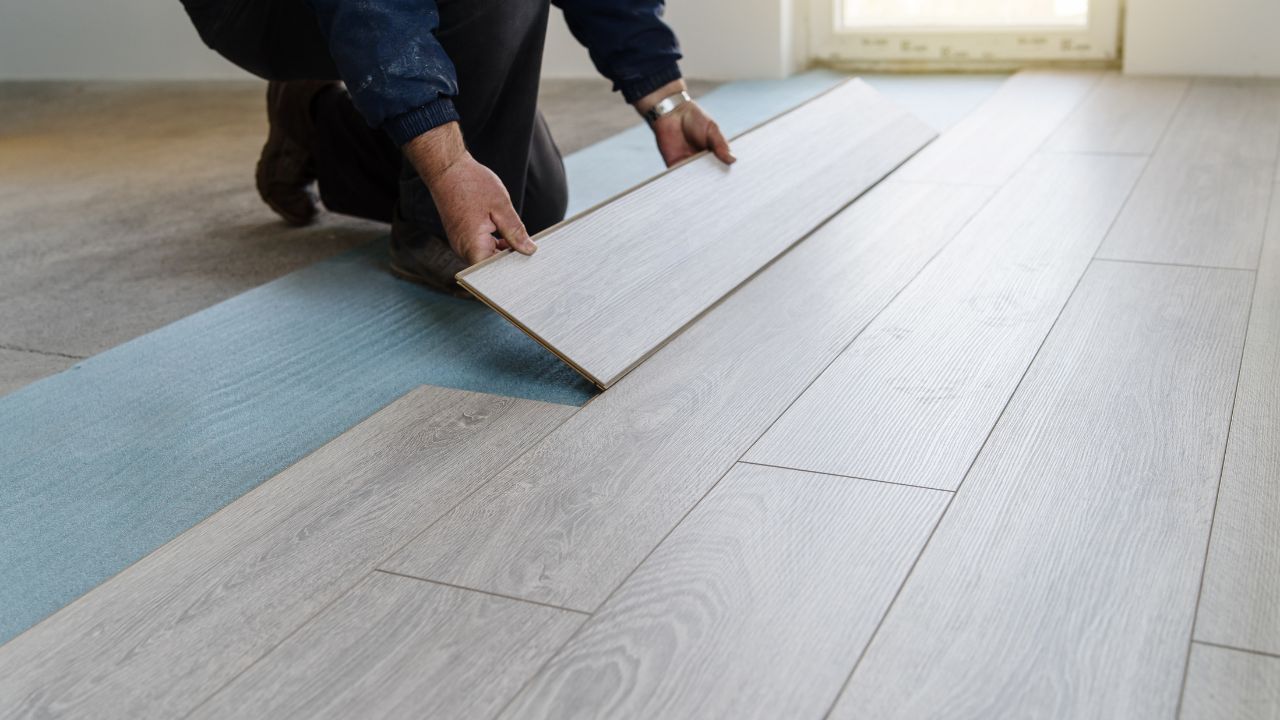
Floating floors connect board-to-board using interlocking click systems without bonding directly to the subfloor beneath. This method allows the floor to expand and contract naturally with temperature shifts while reducing installation time and labor costs. Traditional glued or nailed installations permanently secure each board to the subfloor, providing a rigid feel that is standard for solid hardwood and ceramic tile.
What is the average lifespan of luxury vinyl plank compared to solid hardwood?
High-quality luxury vinyl plank typically lasts between fifteen and twenty-five years before wear layers degrade. Solid hardwood, when properly maintained, lasts over one hundred years because it can be sanded down, repaired, and refinished multiple times across its lifespan.
Can engineered hardwood be installed over radiant floor heating systems?
Yes, engineered hardwood is suited for installation over hydronic or electric radiant floor heating systems. Its dimensional stability prevents warping, shrinking, or gapping when subjected to gradual underfoot heat changes, unlike solid wood planks.
How does flooring impact indoor air quality and allergy management?
Hard surfaces like tile, hardwood, and luxury vinyl do not harbor dust mites, pet dander, or pollen, making them simple to clean for improved indoor air quality. Carpets can trap airborne allergens within their fibers, requiring high-efficiency particulate air filter vacuuming to prevent allergen buildup.
What is the most effective way to protect hardwood floors from heavy furniture dents?
Attaching thick felt pads to the bottom of all chair legs, tables, and heavy furniture pieces distributes weight evenly and prevents surface scratching. Avoid using hard plastic or metal casters, and place protective floor mats underneath heavy rolling furniture.
Which flooring material offers the best sound dampening properties for multi-story homes?
Carpet installed over high-density acoustic padding provides superior sound absorption, reducing both footstep impact noise and ambient room echo. For hard surface areas, luxury vinyl plank with an attached acoustic cork or foam underlayment effectively reduces noise transmission between building floors.
Is sealant necessary for all natural stone and ceramic tile floors?
Glazed ceramic and porcelain tiles do not require sealing because their surface glaze is entirely non-porous. Natural stone tiles, such as slate, travertine, and marble, along with cement-based grout lines, are porous and require periodic sealing to prevent liquid absorption and staining.
Comments are closed.